Helping a Florida Industrial Service Company Reduce Parts Costs
Background
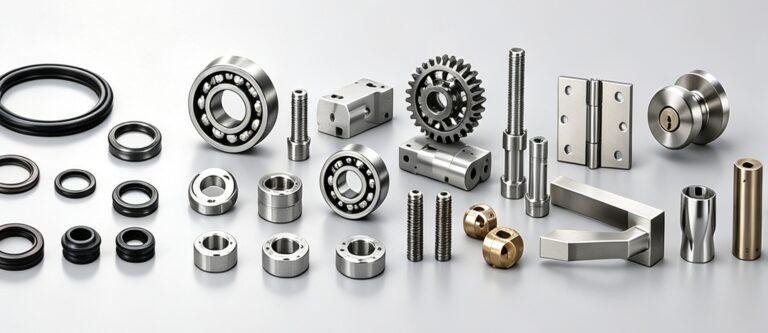
A Florida-based industrial equipment service company supports warehouses, packaging operations, and light manufacturers with equipment repair and replacement parts. Its technicians regularly needed common mechanical components such as 5W bearings, chains, gears, bushings, and rubber parts. While individual orders were usually small, the same parts were needed repeatedly across different repair jobs.
Challenges
The company was buying most parts from local U.S. industrial distributors. Small quantities were convenient, but frequent orders added up—and pricing was difficult to control across a large number of SKUs. Special or less-common parts created another issue. They often required separate quotes and longer supplier response times. When a bearing, chain, or related component was not available when a repair was scheduled, the equipment could remain out of service longer than necessary.
What We Changed
Instead of sourcing each repair order separately, we helped the customer build a more practical long-term purchasing model.
Identified repeat-use parts: We reviewed purchasing history and equipment BOMs to identify frequently used bearings, chains, gears, bushings, and rubber components.
Consolidated purchasing: High-volume and standard items were grouped across product categories, reducing the need to request quotes and place orders with multiple suppliers.
Verified specifications: Dimensions, materials, tolerances, and application requirements were checked before purchasing. Customer samples and existing parts were also used to confirm specifications when needed.
Stocked the right items locally: Frequently used bearings, chains, and rubber components were pre-stocked at our Florida warehouse, giving the customer access to commonly needed parts without waiting for each shipment.
Handled specialty parts on demand: Low-frequency and non-standard components continued to be sourced on a project basis, avoiding unnecessary inventory while still supporting specific repair requirements.
What We Changed
Results
The new sourcing model is expected to reduce the customer’s overall mechanical parts costs by approximately 50%–55% through consolidated purchasing, supplier optimization, and local inventory.
For commonly used parts, Florida-based stock helps shorten the wait between identifying a replacement need and getting the part into the technician’s hands. Less-common items can still be sourced as needed, without tying up cash in slow-moving inventory.
After the initial orders, the customer began moving more of its recurring parts purchases into the same sourcing program—expanding from bearings and transmission components to additional industrial parts over time.
For service companies, the goal isn’t to stock everything or chase the lowest price on every individual order. It’s about knowing which parts are worth keeping close, which are better sourced on demand, and building a supply chain that supports the pace of real repair work.